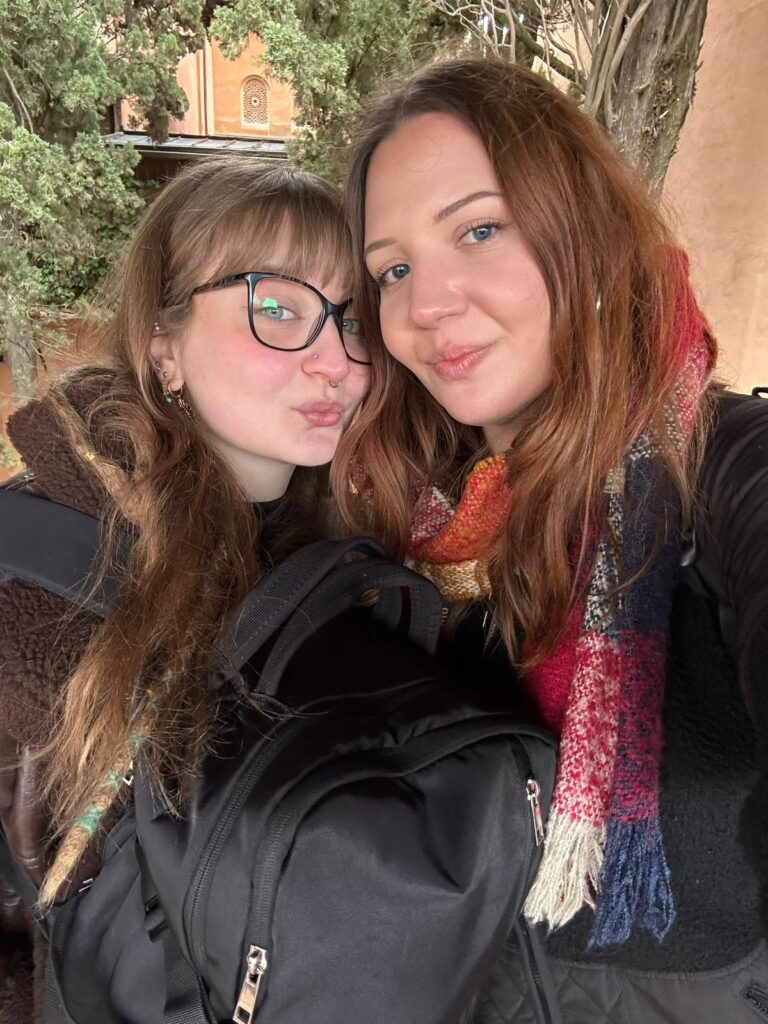
Hello everyone! My name is Maša, I’m 27 years old and I come from Serbia. Ever since my first trip to Spain, I fell in love with its culture and relaxed way of living. I always wanted to participate in a European Solidarity Corps project ever since I first heard about it while volunteering in my local NGO in Serbia. Before this, I had already taken part in several Erasmus+ youth exchanges, and I knew that I loved working in an intercultural environment. Combining my dream of doing an ESC project with my love for Spain, I started looking for the perfect opportunity there. When I found a position volunteering in a school as an English teacher while also helping in the office with Erasmus+ projects, it sounded like the perfect match for my previous experience. When my application was approved, I was ecstatic and couldn’t wait to start my journey.
This is not a story about everything being perfect, because once I arrived, I realized that living in a country is very different from seeing it through the eyes of a tourist. The first month felt like a vacation. I experienced Spain the same way I had during my previous visits: amazing food, even better wine, beautiful places, and exciting new experiences. At school, I struggled to understand the children because I arrived with almost zero Spanish, but I gave myself grace because I knew it was only the beginning.
Over the following months things started to change. I began missing my family, friends, language, and even Serbian food. Christmas was especially difficult because my roommates, who were also volunteers, went back to their home countries, while I stayed alone in our house for almost ten days. At first, we made some connections in the town. Later we realized that, as volunteers in a small town, we were a bit of an attraction. People were curious about us in the beginning, but those connections didn’t really develop into lasting friendships. Still, even though making local friends didn’t work out as I had hoped, I was lucky to have my fellow volunteers. We supported each other through everything.
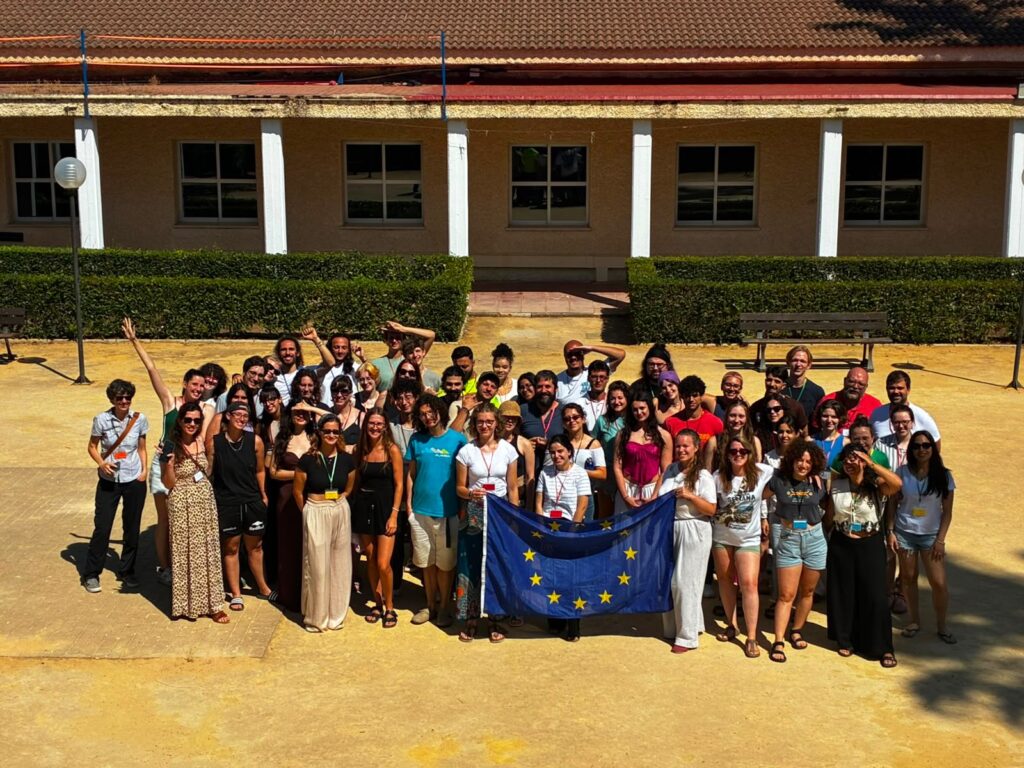
One of the highlights of my ESC experience was attending volunteer trainings with participants from all over Spain. There I met people who were going through the same challenges, and those friendships became real and meaningful. We traveled together, and I started visiting nearby cities every opportunity that I got. That helped me fall in love with Spain all over again. And while we’re talking about falling in love, I was also lucky enough to meet my current (very Spanish) boyfriend in a nearby city. So even if my social life in the town wasn’t very exciting, my love life definitely was.
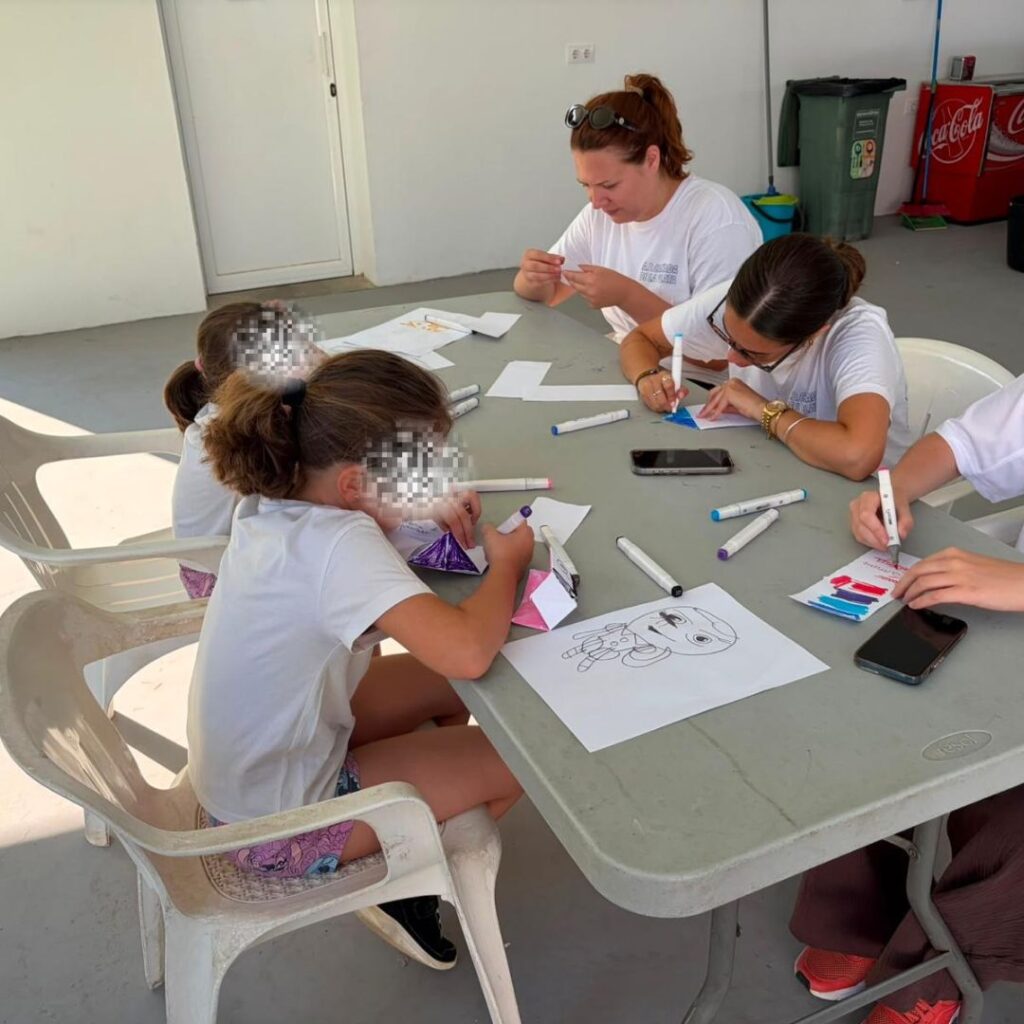
Professionally, this experience confirmed that I had chosen the right path. I had the opportunity to work with children in the school and with young people through Erasmus+ projects that I helped organize in the office. Teaching through non-formal education, art, games, and creativity has been one of the most rewarding experiences of my life. Throughout the whole project, language was my biggest challenge, but it also became my greatest lesson. I discovered that children don’t see language barriers the same way adults do. We always found different ways to communicate, and because of that, I became more adaptable, more creative, and learned to think outside the box whenever I couldn’t find the right words. This experience also taught me patience.
I also had the chance to observe the differences between the education systems in Spain and Serbia. There were things I admired and others that I would do differently, but having both perspectives motivated me to improve my own approach to working with young people. For now, my plan is to stay in Spain and continue working in an NGO or an academy with children and youth, applying everything I have learned during my ESC project. I hope to combine the best practices from both the Spanish and Serbian education systems and, one day, inspire new generations to learn, grow, and maybe even take the leap into an ESC project themselves.
¡Hola a todos! Me llamo Maša, tengo 27 años y soy de Serbia. Desde mi primer viaje a España, me enamoré de su cultura y su estilo de vida relajado. Siempre quise participar en un proyecto del Cuerpo Europeo de Solidaridad desde que supe de él mientras hacía voluntariado en mi ONG local en Serbia. Antes de esto, ya había participado en varios intercambios juveniles Erasmus+ y sabía que me encantaba trabajar en un entorno intercultural. Combinando mi sueño de hacer un proyecto del CES con mi amor por España, empecé a buscar la oportunidad perfecta allí. Cuando encontré un puesto de voluntaria en una escuela como profesora de inglés, a la vez que ayudaba en la oficina con proyectos Erasmus+, me pareció ideal para mi experiencia previa. Cuando aprobaron mi solicitud, estaba eufórica y deseaba comenzar mi aventura.
Esta no es una historia de que todo fuera perfecto, porque una vez que llegué, me di cuenta de que vivir en un país es muy diferente a verlo a través de los ojos de un turista. El primer mes fue como unas vacaciones. Viví España de la misma manera que en mis visitas anteriores: comida increíble, vino aún mejor, lugares preciosos y nuevas experiencias emocionantes. En el colegio, me costaba entender a los niños porque llegué casi sin saber español, pero me lo permití porque sabía que solo era el principio.
Durante los meses siguientes, las cosas empezaron a cambiar. Empecé a echar de menos a mi familia, a mis amigos, el idioma e incluso la comida serbia. La Navidad fue especialmente difícil porque mis compañeros de piso, que también eran voluntarios, volvieron a sus países de origen, mientras que yo me quedé sola en casa casi diez días. Al principio, hicimos algunos contactos en el pueblo. Después nos dimos cuenta de que, como voluntarios en un pueblo pequeño, llamábamos un poco la atención. La gente sentía curiosidad por nosotros al principio, pero esos contactos no llegaron a convertirse en amistades duraderas. Aun así, aunque no logré hacer amigos locales como esperaba, tuve la suerte de contar con mis compañeros voluntarios. Nos apoyamos mutuamente en todo.
Uno de los momentos más destacados de mi experiencia en el Cuerpo Europeo de Solidaridad (CES) fue asistir a las formaciones para voluntarios con participantes de toda España. Allí conocí a personas que estaban pasando por los mismos desafíos, y esas amistades se volvieron reales y significativas. Viajábamos juntos, y empecé a visitar ciudades cercanas siempre que tenía oportunidad. Eso me ayudó a enamorarme de España de nuevo. Y hablando de enamorarse, también tuve la suerte de conocer a mi actual novio (muy español) en una ciudad cercana. Así que, aunque mi vida social en la ciudad no era muy emocionante, mi vida amorosa sí que lo era.
Profesionalmente, esta experiencia confirmó que había elegido el camino correcto. Tuve la oportunidad de trabajar con niños en la escuela y con jóvenes a través de proyectos Erasmus+ que ayudé a organizar en la oficina. Enseñar mediante la educación no formal, el arte, los juegos y la creatividad ha sido una de las experiencias más gratificantes de mi vida. A lo largo de todo el proyecto, el idioma fue mi mayor reto, pero también se convirtió en mi mayor aprendizaje. Descubrí que los niños no perciben las barreras lingüísticas de la misma manera que los adultos. Siempre encontrábamos maneras diferentes de comunicarnos, y gracias a ello, me volví más adaptable, más creativa y aprendí a pensar de forma innovadora cuando no encontraba las palabras adecuadas. Esta experiencia también me enseñó paciencia.
Además, tuve la oportunidad de observar las diferencias entre los sistemas educativos de España y Serbia. Hubo aspectos que admiré y otros que haría de forma diferente, pero tener ambas perspectivas me motivó a mejorar mi propio enfoque de trabajo con jóvenes. Por ahora, mi plan es quedarme en España y seguir trabajando en una ONG o una academia con niños y jóvenes, aplicando todo lo aprendido durante mi proyecto del CES. Espero combinar las mejores prácticas de ambos sistemas educativos y, algún día, inspirar a las nuevas generaciones a aprender, crecer y, tal vez, incluso a dar el salto a un proyecto del CES